Schedule a free consultation:
Westchester 914.644.4800 | New Jersey 973-305-3700 | Long Island 631-777-6400
Schedule a free consultation:
Westchester 914.644.4800
New Jersey 973-305-3700
Long Island 631-777-6400

If you’ve ever walked from one room to another and felt a clear temperature change, you’re not alone. If you avoid sitting near a window because it feels too hot, inefficient windows and doors may be the cause. This is one of the most common comfort problems in Southeast homes.
In cities like Atlanta, Nashville, and across the Florida Panhandle, uneven indoor temperatures aren’t just an inconvenience. They often show that your current systems let unwanted heat move during peak summer heat.
Modern manufacturers design windows and doors to solve this issue.
They help homeowners keep indoor spaces more consistent, comfortable, and energy efficient.
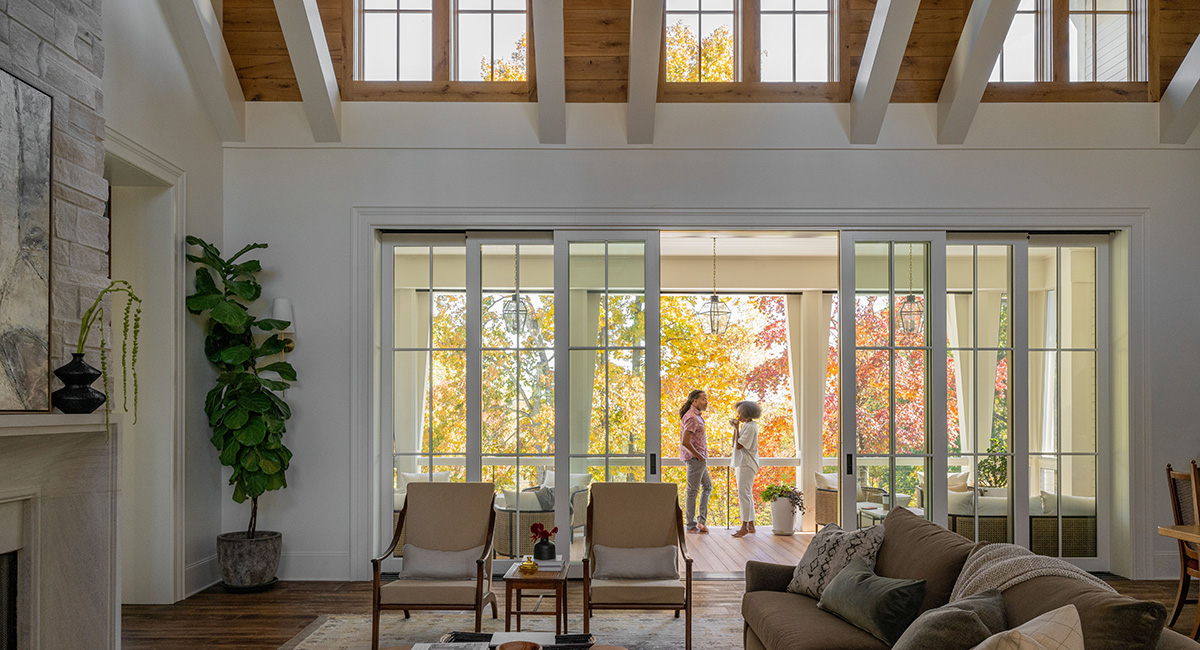
Many homes, especially those built 10 to 20 years ago, still use builder-grade windows and doors. They prioritized affordability, not performance.
Over time, these systems can develop:
In the Southeast, these issues are amplified by:
The result is uneven temperatures, more strain on your HVAC system, and higher cooling costs in the hottest months.
Modern windows and doors use advanced glass systems designed to reduce unwanted heat gain and improve comfort.
Instead of single-pane glass, today’s systems include:
In the summer: these features help reduce solar heat gain before it enters your home
Indoors: temperatures stay more stable even during peak summer heat
This significantly reduces hot spots near windows and improves overall comfort throughout the home.
Low-E (low emissivity) coatings are one of the most important upgrades in modern windows and doors.
These microscopic coatings reflect infrared heat while still allowing natural light to enter your home.
That means you get:
By reducing the heat that enters your home, Low-E technology helps your cooling system work less. It can also lower your cooling costs over time.
Older windows and doors often allow air infiltration even when fully closed.
Modern systems solve this problem with:
These features create a tight seal that prevents:
The result is a more stable indoor space, fewer drafts, and less wasted energy, especially during extreme summer heat.
The Southeast climate demands windows and doors that can withstand humidity, heat, and long-term sun exposure.
Modern frame materials resist:
Common high-performance options include:
These materials help maintain tight seals and steady performance. This is vital for controlling indoor temperatures and lowering cooling costs.
Even the best windows and doors will underperform if they are not installed correctly.
Professional installation ensures:
This eliminates hidden gaps that contribute to drafts, temperature inconsistencies, and unnecessary energy loss during summer heat.
When modern windows and doors are installed correctly, the benefits are immediate.
Homeowners often notice:
Instead of fighting hot spots and drafts, your home maintains a steady, efficient indoor climate.
Homes in Georgia, Tennessee, and Florida have long cooling seasons and strong sun. This makes inefficient windows and doors a major cause of higher energy use.
Without proper performance, homes experience:
Upgrading helps reduce solar heat gain, improve comfort, and create a more efficient home environment year-round.
If you notice any of the following issues, your home may be losing performance:
These are all signs that your current windows and doors are not effectively managing summer heat.
Modern windows and doors reduce drafts by creating tighter seals around openings. Advanced compression seals, multi-layer weatherstripping, and precision-engineered frames help prevent warm outdoor air from entering and conditioned indoor air from escaping. This creates a more stable and comfortable indoor environment.
Uneven temperatures often happen when older windows and doors allow solar heat transfer or air leakage. Rooms with more sun exposure, larger glass areas, or weaker seals can develop hot spots, especially during long Southeast cooling seasons.
Low-E glass helps reflect infrared heat while still letting in natural light. In warm climates like Georgia, Tennessee, and the Florida Panhandle, this helps reduce solar heat gain, maintain more consistent indoor temperatures, and lessen strain on the HVAC system.
Yes. Older builder-grade products often lack advanced insulation, proper sealing, and heat-control glass. Replacing them with high-performance systems can reduce heat gain, minimize energy loss, and improve cooling efficiency over time.
Even premium windows and doors can underperform if installation is poor. Proper installation ensures the system is sealed, aligned, insulated, and protected against air and water intrusion. This is essential for long-term comfort, efficiency, and overall performance.
At AVI Windows & Doors, we help homeowners in Georgia, Tennessee, and the Florida
Panhandle. We upgrade outdated systems with high-performance windows and doors made for
Southern climates.
We provide:
Visit www.aviwindowsanddoors.com to schedule a consultation. Learn how modern windows and doors improve comfort and efficiency. They can also lower long-term cooling costs.