

How to Reduce Solar Heat Gain Through Windows in the Southeast
By: Architectural Visions
Proven Strategies to Improve Comfort, Lower Cooling Costs, and Protect Your Home
If your home feels harder to cool during the summer, especially in rooms with large windows, you’re not imagining it.
In the Southeast, intense sun, high humidity, and long cooling seasons are common. Windows are a main source of solar heat gain. When unmanaged, this heat buildup can quickly reduce comfort, raise indoor temperatures, and make your cooling system work overtime.
The good news is that you can use proven ways to reduce heat gain through windows. The key is understanding one simple principle:
The earlier you stop the heat, the better the result.
Here’s how to do it effectively.
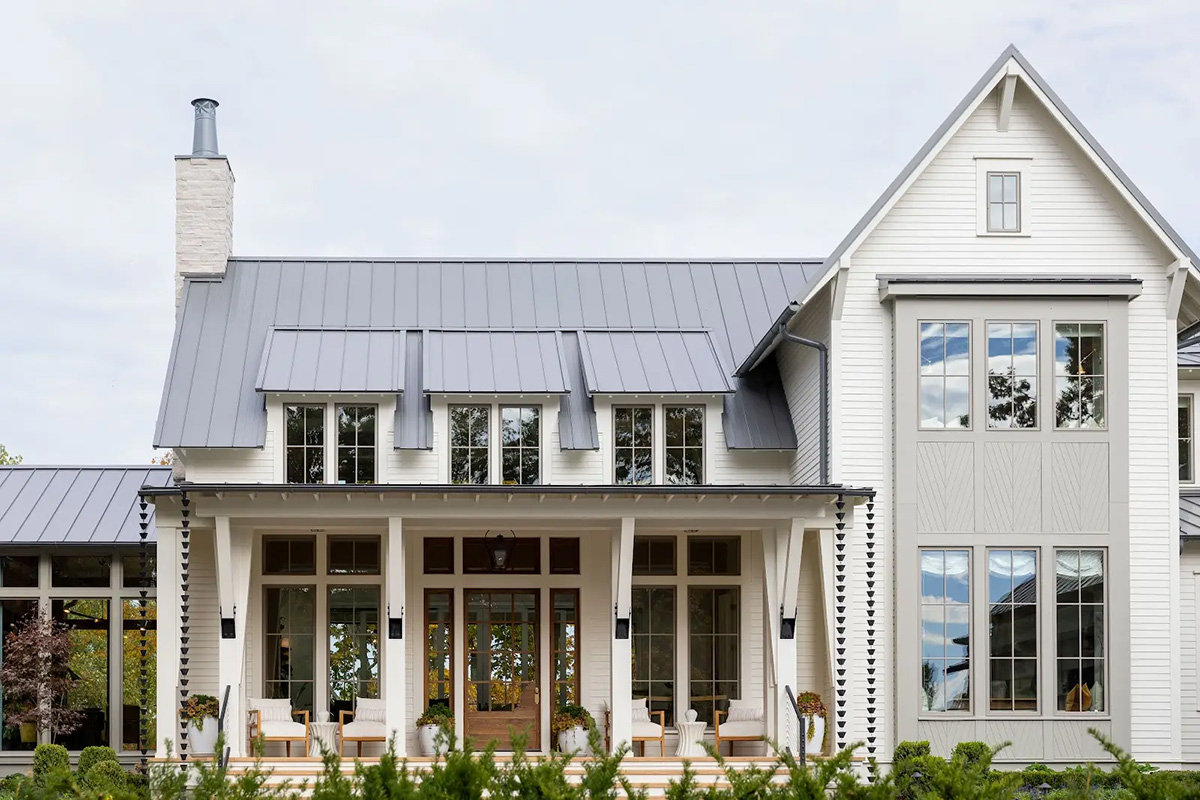
Block the Sun Before It Hits the Glass (Most Important Step)
In hot climates like Georgia and Florida, this is the single most effective way to reduce solar heat gain.
Once sunlight passes through glass, it becomes trapped heat inside your home. At that point, it is much harder to control. Preventing solar heat gain before it enters is critical for maintaining indoor comfort.
Best Exterior Solutions:
Awnings
Well-placed awnings can reduce solar heat gain by up to 77%, especially on south-facing windows. This makes them one of the highest-impact upgrades for homeowners looking to reduce heat gain through windows.
Solar Screens
These exterior mesh screens block 60–90% of incoming solar heat gain while still allowing airflow and maintaining visibility. They offer a strong balance between performance and practicality.
Exterior Shutters or Outdoor Shades
These systems block sunlight before it reaches the glass. This makes them highly effective in sunny areas like the Southeast.
In this region, exterior solutions are not optional. They often make the difference between a comfortable home and one that overheats.
Upgrade Your Glass for Long-Term Performance
Even with proper shading, your glass plays a major role in how much solar heat gain enters your home.
What to Look For:
Low-E Glass (Low Emissivity Coatings)
Low-E coatings are designed to reflect solar heat away from your home while still allowing natural light to pass through. This helps reduce solar heat gain without making your home feel dark.
Low Solar Heat Gain Coefficient (SHGC)
The solar heat gain coefficient measures how much solar radiation passes through a window. In the Southeast, selecting windows with a low solar heat gain coefficient is essential for reducing unwanted heat.
Argon Gas-Filled Double Pane Glass
This type of glass improves insulation and reduces overall heat transfer, helping maintain more consistent indoor temperatures.
Modern ENERGY STAR-rated windows reduce solar heat gain. They also work well in hot, humid climates.
Retrofit Option:
Low-E Window Film
If a full window replacement is not in your immediate plans, Low-E window films can block 70–80% of solar heat gain. This is a cost-effective way to reduce heat gain through windows while improving comfort in the short term.
Use Interior Treatments as a Backup Layer
Interior solutions are less powerful than exterior upgrades, but they still help reduce solar heat gain.
Effective Options:
Cellular (Honeycomb) Shades
These shades trap air within their structure, reducing heat transfer and cutting solar heat gain by up to 60%.
Thermal Curtains
Light-colored curtains with reflective backing are especially effective because they reflect sunlight rather than absorb it. When used properly, they can significantly reduce heat gain during peak hours.
Reflective Blinds
These allow you to redirect sunlight away from living spaces, helping reduce glare and heat buildup.
Think of interior treatments as reinforcement—not your primary defense against solar heat gain.
Focus on the Windows That Matter Most
Not all windows contribute equally to solar heat gain. Targeting the right areas of your home will produce faster and more noticeable results.
- West-facing windows
- The biggest source of afternoon solar heat gain
- Highest priority for shading solutions
- South-facing windows
- Benefit from awnings, overhangs, and exterior shading
- East-facing windows
- Receive morning sunlight, which is less intense but still contributes to heat gain
By prioritizing windows based on orientation, you can reduce heat gain through windows more efficiently and effectively.
Seal Out Hot, Humid Air
Solar heat gain is not the only factor affecting indoor comfort, air infiltration also plays a major role.
Small gaps around windows let hot, humid air enter your home.
This raises indoor temperatures and puts extra strain on your cooling system.
Simple Fixes Include:
- Caulking
- Weatherstripping
- Professional sealing during window replacement
These improvements help reduce unwanted heat entry and support better energy efficiency.
Adjust How You Use Your Home During Peak Heat
Small daily adjustments can make a noticeable difference in reducing solar heat gain and improving comfort.
- Keep shades and curtains closed during peak sunlight hours, especially in the afternoon
- Focus on blocking sunlight from west-facing windows
- Use ceiling fans to circulate cooled air more effectively
- Avoid leaving large glass areas fully exposed during the hottest parts of the day
These simple habits can help reduce heat gain through windows without requiring major upgrades.
Why This Matters More in the Southeast
Unlike cooler regions, Southeast homes experience extended exposure to heat and humidity throughout much of the year.
This includes:
- Longer cooling seasons
- Higher humidity levels
- Increased reliance on air conditioning
As a result, unmanaged solar heat gain has a greater impact on both comfort and energy costs.
Reducing solar heat gain helps:
- Lower cooling bills
- Improve indoor comfort
- Extend HVAC system lifespan
- Protect furniture and flooring from UV damage
The Best Strategy: Layer Your Approach
No single solution will eliminate solar heat gain.
The most effective way to reduce heat gain through windows is to combine multiple strategies:
- Exterior shading (primary defense)
- High-performance glass with a low solar heat gain coefficient (long-term solution)
- Interior treatments (secondary layer)
This layered approach delivers the best overall performance in hot climates like the Southeast.
FAQ – How to Reduce Solar Heat Gain Through Windows in the Southeast/b>
What is solar heat gain and why does it matter in the Southeast?
Solar heat gain refers to the amount of heat that enters your home through windows due to sunlight. In Southeast climates like Georgia, Tennessee, and Florida, prolonged sun exposure and humidity make unmanaged heat gain a major contributor to discomfort, higher cooling costs, and HVAC strain.
What is the most effective way to reduce heat gain through windows?
The most effective strategy is blocking sunlight before it reaches the glass. Exterior solutions like awnings, solar screens, and shutters prevent heat from entering in the first place, making them significantly more effective than interior treatments.
What type of window glass is best for reducing solar heat gain?
Windows with Low-E coatings and a low solar heat gain coefficient (SHGC) are best suited for hot climates. These features reflect heat away while allowing natural light, helping maintain comfort without sacrificing brightness.
Can I reduce heat gain without replacing my windows?
Yes. Low-E window films, solar screens, and interior treatments like cellular shades can reduce solar heat gain significantly. While not as effective as full replacement, they provide meaningful short-term improvements.
Which windows should I prioritize first for heat reduction?
West-facing windows should be addressed first, as they receive the most intense afternoon sun. South-facing windows are next, followed by east-facing windows. Targeting the highest-impact areas improves results quickly.
Work with Experts Who Understand Southeast Conditions/b>
At AVI Windows & Doors, we help homeowners in Georgia, Tennessee, and the Florida Panhandle. We reduce solar heat gain and improve home performance.
We offer:
- Premium window systems designed with a low solar heat gain coefficient
- Advanced Low-E glass solutions for maximum efficiency
- Expert guidance on reducing solar heat gain
- Professional installation for long-term results
If you’re ready to reduce heat gain through windows, improve comfort, and lower energy costs, our team is here to help.
Visit www.aviwindowsanddoors.com to explore your options or schedule a consultation.